
Reclaim Your Stride: The Ultimate Guide to Hip Replacement Surgery in Ahmedabad
Imagine waking up without a sharp pinch in your groin, stepping out of bed with steady footing, or tying your shoelaces without grimacing in pain. For someone living with severe hip arthritis or an unexpected femoral fracture, these everyday motions can feel like distant memories.
Your hip is the body’s central weight-bearing ball-and-socket joint, responsible for keeping you balanced, fluid, and mobile. When disease or trauma wears down its smooth protective cartilage, life narrows to the confines of a chair.
Medical advancements have made hip arthroplasty one of the most successful, life-changing procedures in modern healthcare. At Dwarkesh Multispeciality Hospital, Nava Vadaj, Ahmedabad, we combine advanced surgical techniques with compassionate, patient-first care to help you get back on your feet.
Authored by Dr. Jignesh Pandya, widely respected as the best joint replacement surgeon in Ahmedabad, this clinical guide covers who truly requires hip replacement, surgical outcomes for seniors over 70, safety protocols for patients with chronic medical conditions, and how a restored hip joint can transform your daily life.
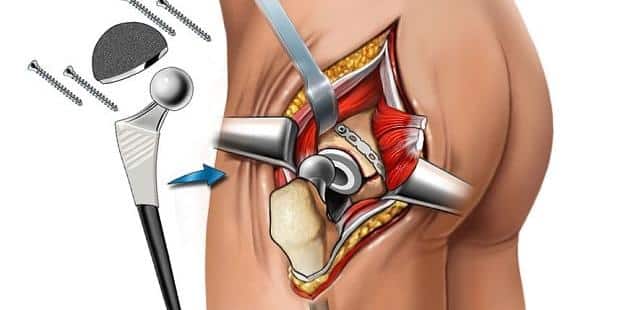
1. Who Needs Hip Replacement Surgery? Recognizing the Warning Signs
Not every aching hip requires immediate surgery. In early stages, hip stiffness and discomfort can often be managed with targeted physical therapy, lifestyle adjustments, anti-inflammatory medications, and localized injections.
However, when structural damage to the joint cartilage reaches a critical point, non-surgical measures provide diminishing returns. You should schedule an evaluation for the best hip replacement surgery in Ahmedabad if you experience:
- Persistent Groin, Buttock, or Thigh Pain: Contrary to common belief, hip pain rarely localizes only to the side of the hip; it frequently radiates deep into the groin, buttock, or down to the knee.
- Loss of Everyday Independence: Inability to cross your legs, put on socks or shoes, navigate stairs, or walk short distances without a walking aid.
- Avascular Necrosis (AVN) of the Femoral Head: A serious condition where compromised blood supply causes the ball of the hip joint to collapse, leading to rapid, painful joint destruction (frequently seen in younger adults and post-steroid or post-viral cases).
- Severe Osteoarthritis & Rheumatoid Arthritis: Extensive loss of the joint space where protective cartilage wears away, resulting in painful bone-on-bone friction.
- Complex Hip Fractures in Seniors: Femoral neck fractures that destabilize the hip and require replacement rather than internal fixation to facilitate immediate weight-bearing.
- Night Pain and Disturbed Sleep: Constant aches that persist at rest and interrupt restful sleep regardless of your lying position.
Consulting an expert hip replacement surgeon in Ahmedabad ensures an accurate clinical diagnosis and digital imaging review to determine whether total hip replacement (resurfacing both the ball and socket) or hemiarthroplasty (replacing only the femoral head) is the right medical path forward.
2. Hip Replacement After Age 70: Debunking the Age Myth & Success Ratios
A frequent concern heard in orthopedic outpatient clinics is: “I am 72, 78, or even 84 years old—is it too late for hip surgery?”
The clear clinical answer is: Age alone is never a barrier to hip replacement surgery.
What determines surgical suitability is not the number on your birth certificate, but your overall physiological stability and your motivation to walk without agony.
The Success Ratio in Senior Citizens (Ages 70+)
Global orthopedic joint registries and modern clinical audits consistently show that hip replacement in patients aged 70 and older boasts an exceptional success rate of over 95%.
- Rapid Mobilization: Prolonged bed rest is hazardous for seniors, leading to complications like bedsores, deep vein thrombosis (DVT), and chest infections. Modern hip replacement aims to have senior patients standing with support within 24 hours of surgery.
- Dramatic Pain Relief: Over 90% of senior patients experience complete or near-complete resolution of their chronic joint pain, drastically reducing their reliance on pain medications.
- Fall Prevention & Gait Balance: A damaged hip causes muscle wasting, leg length discrepancies, and erratic balance, significantly increasing the risk of falls. Replacing the joint restores symmetrical leg length and pelvic stability.
- Active Golden Years: Seniors can comfortably return to independent social outings, temple visits, morning walks, and quality playtime with grandchildren.
At Dwarkesh Multispeciality Hospital, comprehensive pre-operative screening and individualized geriatric anesthesia protocols ensure senior patients undergo surgery with minimal physiological strain.
3. Diabetes, Hypertension, Thyroid, and Heart Disease: Is Hip Replacement Safe?
A major reason high-risk patients delay life-saving hip surgery is fear: “Can I survive hip replacement with diabetes, high blood pressure, thyroid issues, or past cardiac problems?”
Yes, you can safely undergo hip replacement surgery, recover smoothly, and enjoy long-term mobility.
Living with chronic, severe hip pain creates a dangerous cycle for high-risk patients: inability to walk causes weight gain, spikes blood sugar levels, worsens hypertension, and weakens cardiac stamina. Treating the damaged hip often breaks this harmful cycle.
At a multispeciality center, complex medical conditions are systematically managed through collaborative clinical pathways:
Comorbid Condition | Associated Concern | Modern Clinical Management at Dwarkesh Hospital |
Diabetes Mellitus | Delayed wound healing & infection risk | Strict pre-op glycemic control, target HbA1c optimization, prophylactic antibiotics, and sterile laminar-airflow surgical suites. |
Hypertension (High BP) | Blood pressure swings during anesthesia | Continuous arterial hemodynamic monitoring, targeted pain blocks to prevent post-op stress surges, and careful anti-hypertensive titration. |
Cardiac Conditions / Stents | Risks related to blood loss and anesthesia | Close pre-op clearance by in-house cardiologists, temporary bridge protocols for blood thinners, and minimally invasive bone preparation to minimize bleeding. |
Thyroid Disorders | Sensitive metabolic rates & fatigue | Hormonal profiling (TSH/T3/T4 optimization) prior to surgery, ensuring normal drug metabolism and smooth emergence from anesthesia. |
With dedicated cardiac monitors, an advanced intensive care unit (ICU), and round-the-clock multidisciplinary specialists, high-risk patients undergo surgery with rigorous clinical safety nets in place.
4. How Life Changes After a Perfect Hip Replacement
Total hip arthroplasty has been hailed by the Lancet as the “operation of the century” because of its life-altering impact:
- Complete Freedom from Pain: The constant, grinding groin ache vanishes, replaced by smooth, frictionless joint movement.
- Restored Equal Leg Length: Advanced intra-operative sizing tools allow surgeons to correct leg shortening caused by bone collapse, restoring an even, natural gait.
- Return of Independence: Everyday actions like climbing stairs, getting into and out of vehicles, and sitting comfortably become effortless once more.
- Renewed Mental Well-being: Breaking free from chronic physical disability and painkiller dependency revitalizes personal confidence, emotional health, and active family engagement.
5. Why Choose Dr. Jignesh Pandya: Surgical Mastery You Can Trust
The clinical outcome of a hip replacement depends on the surgeon’s anatomical mastery, component alignment precision, and tissue-handling care.
Widely acknowledged as the best surgeon for hip replacement surgery and an expert hip replacement surgeon in Ahmedabad, Dr. Jignesh Pandya brings seasoned clinical leadership to every procedure:
- 15+ Years of Dedicated Orthopedic Mastery: Focused on primary total hip arthroplasty, complex trauma, revision hip replacements, and avascular necrosis management.
- Track Record of 15,000+ Successful Orthopedic Surgeries: Deep surgical experience across complex deformities, geriatric fracture cases, and medically challenging conditions.
- Soft-Tissue Preserving Approaches: Minimizing muscle and tendon disruption around the joint capsule to deliver faster post-operative stability, minimal blood loss, and rapid rehabilitation.
- Individualized Patient Protocols: Tailored implant selection using world-class ceramic, highly cross-linked polyethylene, and uncemented titanium components matched precisely to your age, bone density, and activity goals.
Premier Joint Care at Dwarkesh Multispeciality Hospital, Vadaj
Choosing the right surgical environment is essential for a safe, complication-free joint recovery. Dwarkesh Multispeciality Hospital is recognized as a best hospital for hip replacement surgery in Ahmedabad, featuring:
- Laminar Airflow Modular Operation Theaters: Ultra-clean positive-pressure suites equipped with HEPA filtration to maintain near-zero infection rates.
- 24/7 Multidisciplinary Critical Care & ICU: Complete on-site medical backup with cardiologists, intensivists, and endocrinologists under one roof.
- Specialized Orthopedic Rehabilitation Unit: In-house physical therapy teams guiding step-by-step weight-bearing, safe movement transitions, and rapid-recovery gait training.
- Hassle-Free Cashless Insurance & TPA Desk: Direct, transparent claims processing for all major private health insurers, TPAs, and corporate medical policies.
Take Your Next Step Toward Painless Living
Severe hip arthritis, avascular necrosis, or a sudden hip fracture does not have to mean permanent disability or dependency. With modern surgical advancements and experienced orthopedic care, you can return to an active, dignified life at any age.
Schedule an in-depth consultation with the best joint replacement surgeon in Ahmedabad, Dr. Jignesh Pandya, at Dwarkesh Multispeciality Hospital, Nava Vadaj, and take your first confident step toward pain-free movement today.
Frequently Asked Questions
Q1: How long does a modern artificial hip implant last?
Q2: When will I be able to walk after hip replacement surgery?
Q3: Can hip replacement surgery correct a limp caused by a shortened leg?

- World-Class Healing, Trusted Care: Your Complete Guide to Medical Tourism at Dwarkesh Multispeciality Hospital, Ahmedabad - October 2, 2026
- Reclaim Your Stride: The Ultimate Guide to Hip Replacement Surgery in Ahmedabad - September 28, 2026
- Total vs. Partial Knee Replacement Surgery: Reclaim an Active, Pain-Free Life at Any Age - September 25, 2026
About Us
Dwarkesh Multispeciality Hospital is dedicated to providing high-quality healthcare with advanced medical facilities and experienced doctors. We focus on patient-centered care, ensuring safe, reliable, and compassionate treatment for every patient.
Contact Info